Blog
How to Source Eco Tote Bags from Guangzhou OEM Factories
Writer:admin Time:2025-08-07 18:29 Browse:views
If you are trying to source eco tote bags from Guangzhou, you are already in a very active part of the global supply chain. Almost every week, new “eco-friendly tote bag” products appear on Amazon, Shopify, TikTok Shop, and wholesale catalogs—and a large portion of them are actually made in Guangzhou OEM factories.
But sourcing eco tote bags is not as simple as just asking for “recycled material” or “cotton bag”.
In reality, there are big differences between:
truly eco-friendly materials
marketing “eco” bags that are just standard fabric
and factory-level recyclable production systems
This guide is written from a practical sourcing perspective, not a theoretical one. It focuses on how buyers actually work with Guangzhou factories in 2025.
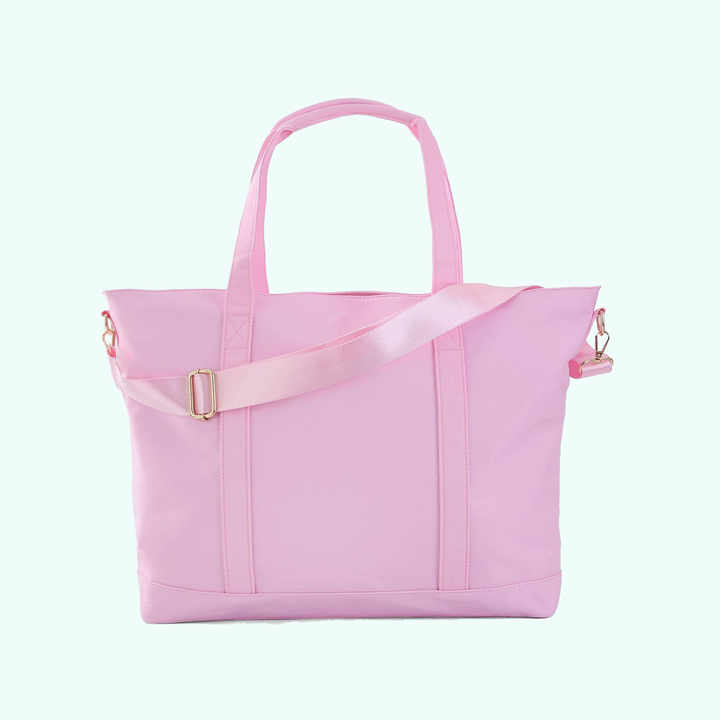
1. What “Eco Tote Bags” Really Mean in Guangzhou
One of the first misunderstandings buyers have is assuming “eco bag” is a fixed category.
In Guangzhou factories, “eco tote bag” usually refers to several material types:
Cotton canvas bags
Recycled polyester (RPET) bags
Non-woven polypropylene bags
Recycled PU leather bags
Linen tote bags
But here’s the key point:
👉 “Eco” is not a strict standard in OEM factories unless you define it clearly.
Many factories will simply treat “eco tote” as:
a basic tote bag with lower-cost fabric + simple structure
So your job as a buyer is to define what “eco” means for your brand.
📊 Table 1: Eco Tote Bag Material Options in Guangzhou
| Material | Eco Level | Cost Range | Durability | Typical Use |
|---|---|---|---|---|
| Cotton Canvas | Medium | Low–Mid | High | Retail, branding, fashion |
| RPET Polyester | High | Mid | Very High | Sustainable brands |
| Non-woven PP | Low–Medium | Very Low | Low | Promotions, giveaways |
| Recycled PU | Medium | Mid | Medium | Fashion tote bags |
| Linen Fabric | High | Mid–High | Medium | Premium eco brands |
2. Where Eco Tote Bags Are Actually Made in Guangzhou
Guangzhou does not work like a single factory city. It is a cluster system.
Eco tote bags are mainly produced in:
Baiyun District (fashion bag factories)
Huadu district (large OEM production bases)
Foshan nearby (fabric + textile integration)
Small workshops around industrial parks
Each area has different strengths.
For example:
Baiyun → fashion + customization
Huadu → large-scale production
Foshan → material supply chain
Most experienced buyers don’t choose “a city factory”.
They choose a supply chain zone + factory type combination.
3. The Real OEM Process for Eco Tote Bags
If you are working with a Guangzhou OEM factory, the workflow usually looks like this:
Step 1: Requirement definition
You must clearly specify:
material type (cotton / RPET / canvas etc.)
size
printing method
handle structure
loading capacity requirement
Step 2: Sampling stage
Factory produces a sample in 3–7 days.
This stage is critical because:
eco materials behave differently in structure
printing results vary by fabric type
strength is not visible in photos
Step 3: Sample confirmation
You check:
stitching quality
fabric feel
print alignment
weight capacity
Step 4: Bulk production
Once confirmed:
material is bulk purchased
cutting and printing begins
stitching is standardized
Step 5: QC + packaging
Final inspection:
size consistency
print accuracy
seam strength
packaging compliance
📊 Table 2: OEM Production Steps for Eco Tote Bags
| Stage | What Happens | Buyer Focus | Risk Level |
|---|---|---|---|
| Requirement | Define specs | Clarity of details | High |
| Sampling | Prototype made | Accuracy check | Medium |
| Confirmation | Final sample approval | Lock design | High |
| Production | Mass manufacturing | Consistency | Medium |
| QC & Packing | Final inspection | Defect control | High |
4. Pricing Reality in 2025 (What Most Buyers Misunderstand)
Eco tote bags are often assumed to be “cheap because simple”.
But in Guangzhou OEM reality, pricing depends more on:
fabric quality
printing complexity
stitching reinforcement
order volume
packaging requirement
For example:
A basic canvas tote might cost very little
But a recycled RPET structured tote can be 2–3x more expensive
Why?
Because eco materials often require:
tighter production control
higher waste rate
more consistent dyeing processes
📊 Table 3: Eco Tote Bag Cost Breakdown (OEM Guangzhou 2025)
| Cost Component | Canvas | RPET | Non-woven | Recycled PU |
|---|---|---|---|---|
| Material | Low | Mid | Very Low | Mid |
| Printing | Low–Mid | Mid | Low | Mid |
| Labor | Mid | Mid | Low | Mid |
| Packaging | Low | Mid | Low | Mid |
| Total Unit Cost | $1.5–$4 | $2.5–$6 | $0.5–$1.5 | $3–$8 |
5. The Biggest Mistakes Buyers Make
After working with many OEM buyers, there are three repeated mistakes:
Mistake 1: “Eco = same quality everywhere”
Wrong.
Eco materials vary hugely between factories.
Mistake 2: Only focusing on price
Low price often means:
thinner fabric
weaker stitching
unstable print quality
Mistake 3: Not defining sustainability standard
Factories will not assume:
recycled percentage
certification requirements
environmental compliance level
You must define it.
6. How to Choose the Right Guangzhou Factory
Not all OEM factories are suitable for eco tote bags.
You should evaluate them based on:
1. Material sourcing capability
Do they actually source RPET or certified cotton?
2. Printing stability
Eco bags rely heavily on print quality.
3. Stitching reinforcement experience
Tote bags carry weight—weak stitching = failure.
4. Communication level
Good factories will ask:
“What weight will this carry?”
“Will this be retail or promotion use?”
Bad factories just quote price.
📊 Table 4: Factory Selection Checklist
| Factor | Basic Factory | Professional OEM Factory |
|---|---|---|
| Material Knowledge | Limited | Strong |
| Sampling Quality | Inconsistent | Stable |
| Communication | Reactive | Proactive |
| QC System | Basic | Multi-stage |
| Eco Experience | Low | Proven cases |
7. Real Market Trend in 2025
Eco tote bags are no longer just “shopping bags”.
They are becoming:
brand identity carriers
marketing tools
lifestyle products
sustainable fashion statements
Especially in:
Europe (strong sustainability demand)
US (branding + retail use)
Southeast Asia (tourism + retail)
Brands now use eco tote bags as:
“walking advertising for their identity”
8. Practical Sourcing Advice (From Real Factory Experience)
If you are serious about sourcing eco tote bags from Guangzhou, here are real-world suggestions:
Always request physical sample first
Never skip fabric confirmation
Ask for stitching reinforcement details
Confirm print durability (wash test if needed)
Lock material before mass production
Because in OEM production:
👉 80% of quality issues come from unclear pre-production communication.
Conclusion
Sourcing eco tote bags from Guangzhou OEM factories is not difficult—but it requires clarity.
The real difference between success and failure is not the factory you choose, but:
how clearly you define your eco standard
how well you control sampling
how strict you are with consistency
Guangzhou can produce extremely competitive eco tote bags—but only when the sourcing process is managed correctly.
If you treat it as a “simple tote bag order”, you will get simple results.
If you treat it as a brand-level product system, you can build something scalable.
Related Article
CATEGORIES
LATEST NEWS
CONTACT US
Whatsapp: +86 18998453346
Phone: +86 18998453346
Tel: +86 18998453346
Email: [email protected]
Addr: Baiyun District, GuangZhou , Guangdong Province, China
Hot Goods
 <
<
 <
<
 <
<
 <
<
 <
<
<
<
<
<
 <
<
<
<
<
<