Blog
Custom Printing & Embroidery on Organic Fabric Bags
Writer:admin Time:2025-08-07 20:11 Browse:views
Organic fabric bags have become one of the fastest-growing categories in the global accessories and promotional products market. From eco lifestyle brands to retail stores, supermarkets, cafés, fashion labels, and corporate gifting companies, more businesses are looking for sustainable bags that combine branding, functionality, and environmental awareness.
But in OEM manufacturing, organic fabric bags are not simply “eco bags.” The real value often comes from customization—especially printing and embroidery.
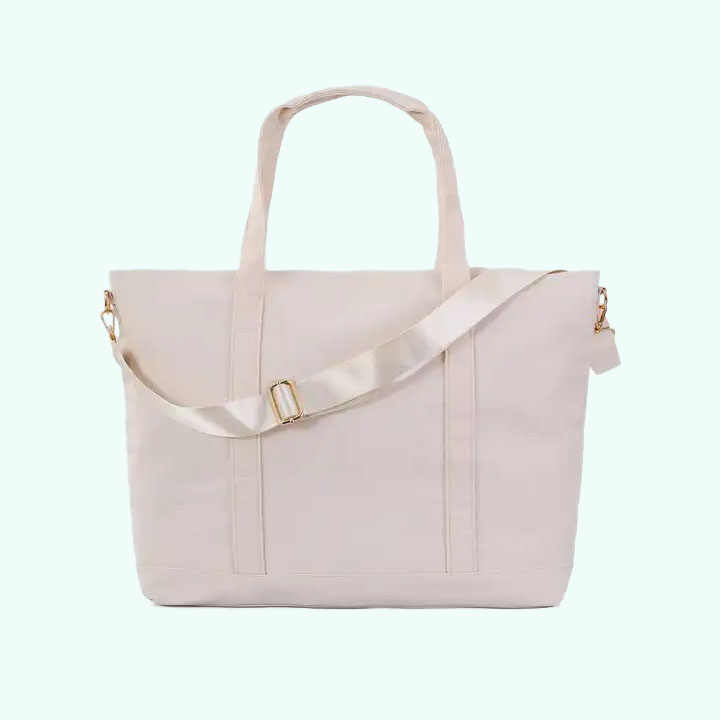
A plain organic tote bag has limited commercial appeal. Once customized with strong visual branding, artwork, embroidery, or premium finishing, it becomes a product that can represent a brand identity, retail concept, or lifestyle message.
This is why custom printing and embroidery on organic fabric bags has become a major focus for OEM manufacturers in China.
In this guide, we will explore how these customization methods work, the differences between printing and embroidery, material compatibility, production considerations, and how brands can choose the right decoration strategy for their products.
1. What are organic fabric bags?
Organic fabric bags are bags made from environmentally conscious textile materials, usually produced with lower environmental impact compared to conventional fabrics.
Common organic or eco-oriented fabrics include:
organic cotton canvas
recycled cotton
RPET fabric
hemp fabric
linen blends
bamboo fiber fabric
Among them, organic cotton canvas is currently the most widely used material for custom tote bags.
Why organic fabric bags are growing
Several factors are driving demand:
eco-conscious consumers
plastic reduction policies
reusable shopping culture
sustainable fashion trends
corporate ESG initiatives
For brands, organic fabric bags are also highly visible marketing products because consumers carry them repeatedly in daily life.
2. Why customization matters
Without customization, most organic fabric bags look generic.
Printing and embroidery transform them into:
fashion accessories
branded retail products
promotional merchandise
lifestyle products
premium gift items
Key insight:
👉 The decoration method often determines the perceived value of the bag more than the fabric itself.
3. Custom printing on organic fabric bags
Printing is the most common customization method because it allows:
large artwork areas
vibrant colors
scalable production
lower cost per unit
However, not all printing methods work equally well on organic fabrics.
4. Main printing methods used in OEM production
Screen printing
Screen printing is the most widely used method for organic canvas tote bags.
Advantages:
cost-effective for bulk orders
durable for simple graphics
strong color coverage
Best for:
logos
text graphics
minimalist designs
Limitations:
limited color complexity
setup costs for multi-color designs
Heat transfer printing
This method transfers digital artwork onto the fabric using heat.
Advantages:
good for complex artwork
photographic designs possible
suitable for smaller runs
Best for:
fashion graphics
colorful artwork
promotional designs
Limitations:
less breathable feel
may crack over time if poor quality
Digital printing
Digital printing is increasingly popular for fashion-oriented eco bags.
Advantages:
high detail resolution
full-color printing
flexible design capability
Best for:
boutique brands
artistic collections
seasonal drops
Limitations:
higher production cost
not ideal for very large-volume low-cost production
📊 Table 1: Printing method comparison
| Method | Cost Level | Detail Quality | Best For | Durability |
|---|---|---|---|---|
| Screen Printing | Low | Medium | Bulk logo bags | High |
| Heat Transfer | Medium | High | Fashion graphics | Medium |
| Digital Printing | Medium-High | Very High | Premium designs | Medium-High |
5. Embroidery on organic fabric bags
Embroidery creates a completely different product perception compared to printing.
Instead of surface graphics, embroidery adds:
texture
dimensionality
craftsmanship feel
premium appearance
This is why embroidery is widely used for:
fashion tote bags
premium eco collections
boutique retail products
6. Types of embroidery used on fabric bags
Flat embroidery
The most common method.
Best for:
logos
text
small graphics
3D embroidery
Creates raised texture using foam backing.
Best for:
streetwear branding
bold logo designs
Patch embroidery
An embroidered patch is stitched onto the bag.
Best for:
vintage style
lifestyle branding
outdoor products
Chain stitch embroidery
Creates handcrafted visual texture.
Best for:
boutique collections
artisan-inspired designs
📊 Table 2: Embroidery style comparison
| Embroidery Type | Visual Style | Cost Level | Brand Position |
|---|---|---|---|
| Flat embroidery | Clean & classic | Medium | Retail standard |
| 3D embroidery | Bold & modern | Medium-High | Street fashion |
| Patch embroidery | Vintage | Medium | Lifestyle brands |
| Chain stitch | Artisan | High | Boutique premium |
7. Printing vs embroidery: how to choose
This depends on:
target market
retail pricing
artwork style
production budget
brand identity
Choose printing if:
you need large artwork
colors are complex
budget is limited
production quantity is high
Choose embroidery if:
premium appearance matters
branding is minimalist
texture is important
higher retail pricing is planned
📊 Table 3: Printing vs embroidery comparison
| Factor | Printing | Embroidery |
|---|---|---|
| Cost | Lower | Higher |
| Visual impact | Graphic-heavy | Premium texture |
| Large artwork | Excellent | Limited |
| Fashion perception | Casual | Premium |
| Bulk scalability | Very high | Medium-high |
8. Organic fabric compatibility considerations
Not all organic fabrics behave the same during customization.
Organic cotton canvas
Best overall material for:
screen printing
embroidery
digital printing
Hemp fabric
Natural texture but:
rougher surface
embroidery may appear uneven
RPET fabric
Works better with:
heat transfer
digital printing
Embroidery can sometimes affect fabric tension.
Linen blends
Premium appearance but:
wrinkles easily
printing precision may vary
9. Color considerations for eco fabrics
Organic fabrics often use:
natural dye processes
lower chemical treatment
textured surfaces
This affects:
print vibrancy
embroidery contrast
color consistency
OEM insight:
Eco fabrics usually produce softer, more natural visual effects compared to synthetic materials.
That is often considered part of the aesthetic appeal.
10. Production workflow for customized organic bags
The OEM process usually includes:
Step 1: Material confirmation
Factory confirms:
fabric weight
color
shrinkage behavior
Step 2: Artwork preparation
Buyer provides:
AI/PDF artwork
embroidery file
Pantone colors
Step 3: Decoration testing
Factories test:
print adhesion
embroidery density
color matching
Step 4: Sample development
This stage checks:
placement accuracy
texture
stitching quality
Step 5: Bulk production
Includes:
fabric cutting
printing or embroidery
stitching assembly
QC inspection
11. Packaging for eco fabric bags
Eco products usually require matching packaging standards.
Popular options:
recycled polybags
kraft paper wraps
FSC paper tags
biodegradable packaging
📊 Table 4: Packaging options for organic bag collections
| Packaging Type | Sustainability Level | Cost Impact |
|---|---|---|
| Standard polybag | Low | Very low |
| Recycled polybag | Medium | Low |
| Kraft wrap | High | Medium |
| FSC gift box | Very high | High |
12. Common mistakes brands make
Mistake 1: Choosing printing method based only on cost
Cheap printing can reduce perceived product quality.
Mistake 2: Ignoring fabric texture
Some fabrics distort detailed artwork.
Mistake 3: Over-designing embroidery
Too much embroidery increases stiffness and cost.
Mistake 4: Not testing wash or friction resistance
Durability testing is essential.
13. Market trends for customized organic bags
Current trends include:
minimalist embroidery logos
oversized printed graphics
eco messaging artwork
earthy natural colors
mixed-material eco bags
Fashion brands increasingly combine:
sustainability
aesthetics
functionality
instead of treating eco bags as purely practical products.
Conclusion
Custom printing and embroidery on organic fabric bags are no longer simple decoration methods.
They are essential branding tools that influence:
product positioning
retail value
customer perception
market competitiveness
Printing offers flexibility, scalability, and visual impact.
Embroidery adds craftsmanship, texture, and premium identity.
The most successful OEM eco bag projects are not defined only by sustainable materials, but by how effectively brands combine:
material selection
decoration method
product functionality
visual storytelling
In today’s market, consumers expect eco products to look fashionable and feel premium—not just environmentally responsible.
That is why customization has become such an important part of organic fabric bag manufacturing.
Related Article
CATEGORIES
LATEST NEWS
CONTACT US
Whatsapp: +86 18998453346
Phone: +86 18998453346
Tel: +86 18998453346
Email: [email protected]
Addr: Baiyun District, GuangZhou , Guangdong Province, China
Hot Goods
 <
<
 <
<
 <
<
 <
<
 <
<
<
<
<
<
 <
<
<
<
<
<