Blog
How to Find Eco Bag Styles in Global Wholesale Markets
Writer:admin Time:2025-08-07 20:11 Browse:views
Eco bags have moved from a niche sustainability category into a mainstream global product line. From fashion brands and supermarkets to corporate gifting companies and online retailers, demand for eco-friendly bags continues to grow across every region.
But for buyers, especially OEM/ODM sourcing teams, one key challenge remains the same:
👉 How do you actually find the right eco bag styles in global wholesale markets?
Unlike standardized consumer products, eco bags vary widely in:
material types
design styles
sustainability levels
price positioning
regional fashion preferences
This means sourcing eco bags is not just about finding suppliers—it is about understanding global wholesale markets and identifying styles that match your target customers.
This guide breaks down how professional buyers discover eco bag styles worldwide and turn them into successful product lines.
1. Understanding what “eco bag styles” really mean
Before sourcing, it is important to define what “eco bag styles” actually include.
Eco bags are not a single category. They include multiple product types such as:
eco tote bags
recycled shopping bags
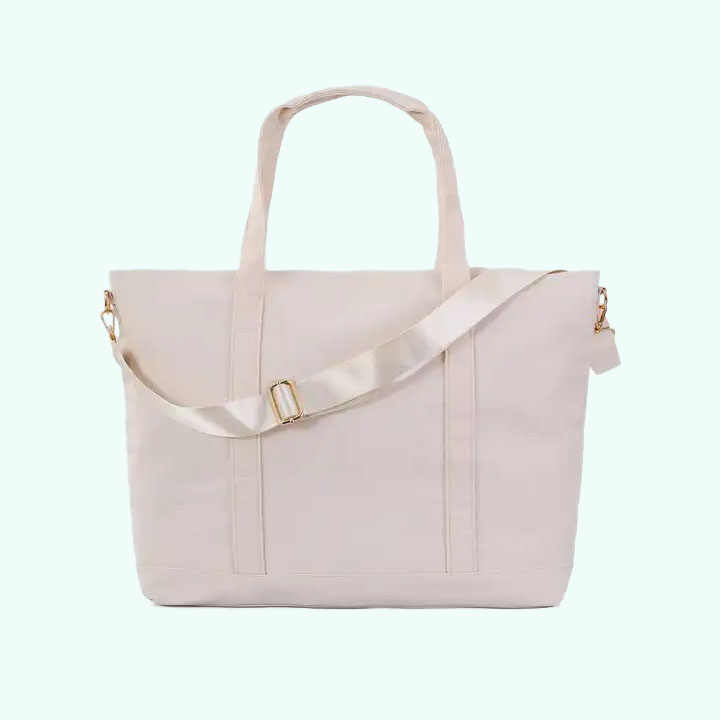
canvas shoulder bags
RPET travel bags
biodegradable promotional bags
organic cotton handbags
reusable foldable bags
Each of these has different:
market positioning
production methods
pricing structures
customer expectations
Key insight:
👉 Eco bags are defined more by material philosophy than by design structure.
2. Global wholesale markets for eco bags
Eco bag styles are heavily influenced by regional wholesale hubs. Each market has its own design direction and pricing logic.
Asia (China, India, Vietnam)
This region is the global production center.
Characteristics:
strong OEM/ODM capability
wide material selection
competitive pricing
fast sampling
Style focus:
canvas tote bags
RPET shopping bags
PU eco fashion bags
promotional reusable bags
Europe
Europe is design-driven and sustainability-focused.
Characteristics:
strict eco regulations
high demand for certification
premium positioning
Style focus:
organic cotton tote bags
minimalist eco fashion bags
natural material handbags
United States
The US market is highly commercial and trend-driven.
Characteristics:
large retail volume
strong branding focus
Amazon + Shopify demand
Style focus:
printed canvas tote bags
slogan eco bags
lifestyle branding bags
Middle East
Premium and luxury-oriented market.
Characteristics:
high visual preference
strong gifting culture
Style focus:
embroidered eco bags
decorative tote bags
fashion eco handbags
📊 Table 1: Global eco bag market style comparison
| Region | Style Direction | Price Level | Main Material |
|---|---|---|---|
| Asia | Mass + OEM | Low–Medium | Canvas, PU, RPET |
| Europe | Minimal eco | Medium–High | Organic cotton |
| USA | Branding-focused | Medium | Canvas, printed fabric |
| Middle East | Decorative | High | PU, embroidery |
3. Where to actually find eco bag styles
Professional buyers don’t rely on one source. They combine multiple channels.
1. Alibaba & Global B2B platforms
This is the most direct sourcing channel.
What to look for:
“eco tote bag OEM”
“recycled shopping bag supplier”
“organic cotton handbag factory”
Advantages:
large supplier pool
fast comparison
OEM customization options
2. Trade fairs (offline sourcing)
Trade fairs are still one of the most effective ways to discover new styles.
Major fairs:
Canton Fair
Hong Kong Gifts & Premium Fair
Munich Fabric Start
NY Now (USA)
Why it matters:
physical material evaluation
trend observation
direct factory communication
3. Social media trend platforms
Eco bag styles are heavily influenced by visual trends.
Platforms:
Instagram
TikTok
Pinterest
Xiaohongshu (China)
What to observe:
viral tote bag designs
influencer eco fashion
minimalist branding trends
4. Retail & brand benchmarking
Studying existing brands is extremely important.
Look at:
Zara Home
H&M Conscious
Patagonia
Everlane
local eco boutiques
4. How to identify winning eco bag styles
Not every eco bag style sells well.
Professional buyers evaluate based on:
1. Material trend direction
Current strong eco materials include:
RPET recycled polyester
organic cotton canvas
water-based PU leather
recycled nylon
2. Design simplicity
Eco market strongly prefers:
minimal designs
clean logos
neutral colors
functional shapes
3. Functionality
Top-selling eco bags often include:
large capacity
foldable structure
lightweight design
multi-purpose use
4. Branding space
Eco bags are often marketing tools.
Good styles include:
large print area
visible logo placement
slogan-friendly surfaces
📊 Table 2: Eco bag style evaluation checklist
| Factor | What to Check | Importance |
|---|---|---|
| Material trend | Eco-certified fabrics | High |
| Design simplicity | Minimal structure | High |
| Functionality | Daily usability | Very high |
| Branding space | Logo visibility | High |
| Market adaptability | Multi-region appeal | Medium |
5. Common eco bag styles in global wholesale markets
Below are the most common categories you will find in wholesale sourcing.
1. Canvas tote bags
most universal eco bag type
strong branding surface
widely used in retail and promotions
2. RPET shopping bags
made from recycled plastic bottles
lightweight and foldable
popular in supermarkets
3. Organic cotton bags
premium eco positioning
soft natural feel
strong in Europe market
4. Recycled nylon bags
travel and outdoor focus
water-resistant
modern appearance
5. Eco fashion handbags
PU or vegan leather
trend-driven design
used by fashion brands
6. How OEM factories influence eco bag styles
In global sourcing, factories are not just producers—they are also style creators.
Chinese OEM factories especially influence eco bag styles through:
fast sampling capability
material substitution options
trend-based design adaptation
cost-driven structure optimization
Example:
A brand requests:
organic cotton tote bag
Factory may suggest:
canvas + RPET blend
reinforced handles
better printing area optimization
7. Mistakes buyers make when sourcing eco bag styles
Mistake 1: focusing only on appearance
Eco bags must balance:
aesthetics
durability
sustainability
Mistake 2: ignoring target market
EU eco buyers ≠ US retail buyers ≠ Middle East fashion buyers
Mistake 3: not testing material performance
Eco materials behave differently in:
washing
friction
printing durability
Mistake 4: overcomplicating design
Simple designs usually perform better in eco markets.
📊 Table 3: Common sourcing mistakes vs correct approach
| Mistake | Correct Approach |
|---|---|
| Choosing style only by trend | Match to target market |
| Ignoring material limits | Test samples first |
| Overdesigning eco bags | Keep minimal structure |
| Copying competitors blindly | Adapt + optimize |
8. How to build a successful eco bag product line
A professional sourcing strategy includes:
Step 1: Market selection
Choose region focus:
EU premium eco
US mass retail
Asia promotional
Step 2: Style mapping
Define:
tote / shopping / fashion / travel
Step 3: Material selection
Match:
canvas
RPET
organic cotton
PU vegan leather
Step 4: OEM factory evaluation
Check:
sample ability
certification
QC system
Step 5: Small batch testing
Before scaling:
test market response
adjust design
9. Future trends in eco bag styles
Eco bag styles are evolving toward:
minimalist luxury eco bags
hybrid materials (canvas + PU)
smart functional eco bags
recycled high-performance fabrics
fashion-driven sustainability
Key direction:
👉 Eco bags are no longer “simple reusable bags”—they are becoming lifestyle fashion products.
Conclusion
Finding eco bag styles in global wholesale markets is not just about browsing catalogs or supplier lists.
It requires understanding:
regional market differences
material innovation
OEM manufacturing capabilities
consumer behavior trends
The most successful buyers combine:
👉 global market observation + factory capability + material knowledge
Instead of copying existing products, they build optimized eco bag styles that fit specific markets and branding needs.
In today’s sourcing environment, eco bags are not only a product category—they are a strategic intersection of sustainability, fashion, and global commerce.
Related Article
CATEGORIES
LATEST NEWS
CONTACT US
Whatsapp: +86 18998453346
Phone: +86 18998453346
Tel: +86 18998453346
Email: [email protected]
Addr: Baiyun District, GuangZhou , Guangdong Province, China
Hot Goods
 <
<
 <
<
 <
<
 <
<
 <
<
<
<
<
<
 <
<
<
<
<
<